
Since the beginning of 2026, Staburo has been working with DAiNA with a common goal: to support the development of personalised medicine.
DAiNA is an N=1 precision oncology company based in Palo Alto (US), Zurich-Schlieren (Switzerland) and Berlin (Germany). DAiNA is building an AI-driven platform that designs individualised cancer therapies based on each patient’s unique tumour biology, monitors their effects and continuously refines therapeutic strategies. While treating hospitals and physicians retain full responsibility for patient care, DAiNA orchestrates the underlying molecular analyses, therapeutic design, manufacturing and monitoring.
Staburo’s Bioinformatics team contributes many years of experience in the analysis and interpretation of multi-omics data across both clinical and exploratory research settings. We are excited to apply this expertise in the emerging field of N=1 precision oncology.
As part of this collaboration, Staburo’s work involved the analysis and integration of different types of molecular data, including:
- PacBio: Long-read whole-genome sequencing (WGS)
- Illumina: Short-read WGS, total RNA sequencing, exome RNA sequencing and methylation sequencing as well as single-cell RNA sequencing
- Ignite: Proteomics panel
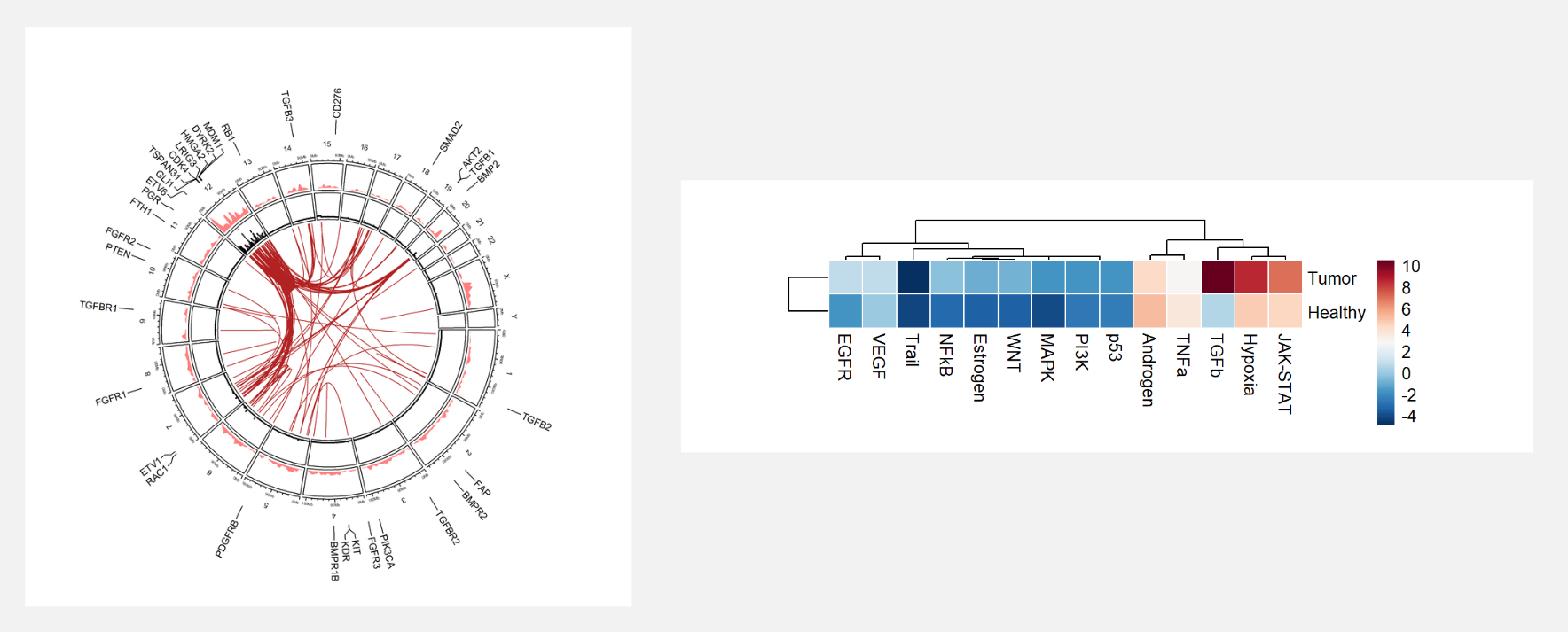
By combining these different methods, the project team was able to examine the patient’s disease from several perspectives, including genetic changes, gene activity, DNA methylation and protein expression.
The results helped to identify potential treatment options and, based on our findings and recommendations, new therapeutic approaches have been implemented for the patient.
This case highlights how combining different molecular analyses can help support more individualized treatment decisions. We are happy to be working with DAiNA GmbH and look forward to continuing this collaboration.
As part of DAiNA’s AI-driven platform, we are currently developing an automated neoepitope prediction pipeline to further accelerate the identification of potential treatment options. We hope that these developments will help support faster and more informed treatment decisions for future patients.